



Family traditions anchor childhood memories more powerfully than expensive vacations or elaborate gifts.
Yet many American parents struggle to maintain consistent traditions amid busy schedules.
Here’s the good news – building lasting rituals takes intention, not perfection.
Why Rituals Stick in a Child’s Brain
Repetition paired with emotion creates powerful memories. A Tuesday pancake breakfast matters less for the pancakes and more for the predictability – the brain codes the routine as “safe” and “belonging.”
Children as young as 3 recall rituals they participated in more accurately than one-off events, suggesting that consistent experiences strengthen memory formation in distinctive ways.
Sensory details deepen the imprint. The smell of cinnamon rolls on Christmas morning. A specific song in the car on the first day of school. The texture of flour on small hands during a Saturday baking session.
Each sensory layer strengthens the memory – which is why the same ritual, repeated without novelty, can feel profound to a child.
Start Small: 5 Traditions That Need Zero Budget
Grand gestures fade. Simple repetition endures. Consider starting with one of these low-effort, high-impact rituals:
- “Highs and lows” – each family member shares the best and worst moment of the week over dinner; this practice builds emotional vocabulary in kids and opens conversation at the table
- Birthday interview – ask your child the same 10 questions every year on their birthday and keep the answers in a notebook; by age 18, you’ll hold 14+ years of evolving perspectives
- Seasonal nature walk – visit the same trail or park on the first Saturday of each season and photograph the same tree; kids notice changes adults miss
- Bedtime story rotation – let each family member pick one book per week; families often find that reading aloud together becomes the most remembered part of childhood
- Gratitude jar – drop folded notes throughout the year and read them aloud together on New Year’s Eve or Thanksgiving
Flowers, Holidays, and the Power of “Always”
Children cling to the word “always.” *We always get donuts after the dentist. We always pick sunflowers in August. Mom always puts a note in my lunchbox on the first day of school.* The consistency transforms an action into a tradition.

Holidays offer a natural framework. My neighbor in eastern Washington built a tradition around the Spokane Lilac Festival, held every May since 1938. Her family picks a fresh bouquet of lilacs, walks the Centennial Trail, and eats lunch at the same café. The cost? Under $20. The memory? Priceless to her now-teenage daughters.
Flowers weave naturally into family rituals across cultures. Japanese families celebrate *Hina Matsuri* (Girls’ Day) on March 3 with peach blossoms. Mexican families place marigolds on altars during Día de los Muertos on November 1–2. American families send blooms for Mother’s Day – flowers rank among the most popular gifts for spring holidays.
Even a simple tradition of placing fresh flowers on the dinner table every Sunday teaches children to mark time and honor beauty. Families in the Pacific Northwest can explore flower delivery Spokane options to keep a weekly floral ritual effortless.
How to Build a Tradition That Actually Survives
Most traditions fail not because families lack ideas but because life interrupts. Protect your rituals with these strategies:
Tie the tradition to an existing habit
Anchor a new tradition to an old routine to reduce friction. You already eat dinner – add a question ritual. You already drive to school – add a specific playlist for rainy mornings. Building on habits that already exist makes consistency far easier to sustain.
Let children co-create
A tradition imposed from above feels like a chore. A tradition a child helped invent feels like ownership. Ask your 7-year-old what makes Saturdays special. Ask your teenager what meal the family should cook together monthly. Children who help design traditions participate with more enthusiasm and recall the rituals more vividly as adults.
Document without obsessing
Snap one photo. Write a 2-sentence journal entry. Record a 15-second video. The documentation habit takes under a minute and gives children proof that “we always do this.” Avoid turning the documentation into a production – a stressed parent behind a camera creates a tense memory, not a warm one.
Traditions for Every Stage – From Toddler to Teen
A toddler needs sensory rituals. A teen needs rituals that respect autonomy. Here’s how the same core idea adapts:
- Ages 2–5: Bake the same cookie recipe every December. Let tiny hands pour the sugar. Expect a mess. The mess becomes part of the story.
- Ages 6–10: Create a “family adventure jar” with 52 slips of paper – one activity per weekend. Include free ideas (build a blanket fort) and modest outings (visit the farmers’ market). Rotate who draws the slip.
- Ages 11–14: Launch a monthly “new food night” where each family member picks a cuisine the household hasn’t tried. Cook together or order from a local restaurant. Shared meals create strong belonging.
- Ages 15–18: Respect their social world. A tradition of a monthly one-on-one outing – coffee, a hike, a used bookstore trip – gives teens space to talk without the pressure of a family crowd. Keep it brief. Ninety minutes works well.

When Traditions Break – And That’s Okay
Moves happen. Divorce happens. A beloved grandparent passes away. Traditions often shatter during transitions, and parents feel guilty. The key insight: families who openly adapt rituals – rather than abandoning or rigidly preserving them – show stronger emotional recovery after upheaval.
Rename the tradition. Shift the date. Invite new people. A family that always visited Grandma’s house for Thanksgiving can cook Grandma’s exact stuffing recipe at home and set an extra place at the table in her memory. The tradition evolves. The connection persists.
Marking hard transitions with beauty helps too. Sending seasonal blooms to a grieving family member or surprising a child with a small bouquet after a difficult school year turns flowers into emotional punctuation marks. These small gestures acknowledge change while honoring what came before.
A Tradition Worth Starting Today
Here’s my honest take after years of writing about family life: the traditions children remember are rarely the ones that cost the most or looked the best on Instagram. Children remember presence. They remember laughter. They remember the feeling of belonging to something predictable in an unpredictable world.
Pick one idea from this article. Just one. Try it this week. Repeat it next week.
By the third repetition, your child may say, “Are we doing our thing again?” That question means the tradition has taken root.
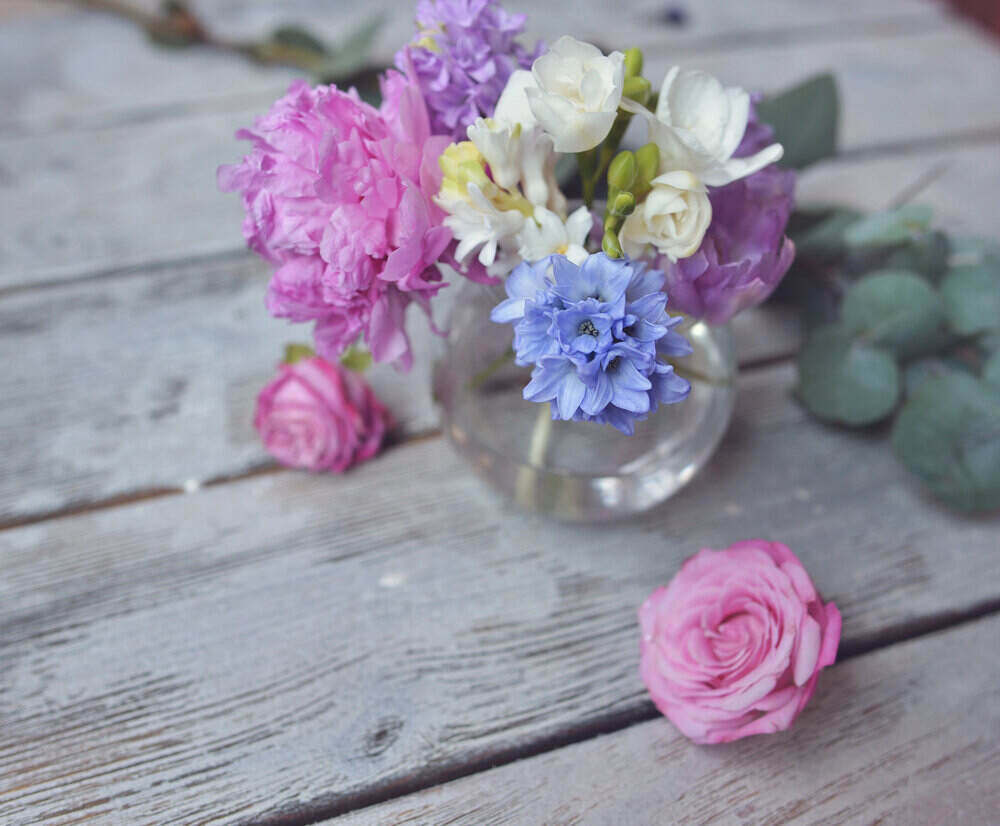
And when you need a little beauty to mark the moment – a birthday bouquet, a “just because” arrangement for the dinner table, flowers for a holiday ritual – you have options nearby.
What will your family’s “always” be?






Leave a Reply